
Restoration at landscape scale
The Queenstown Lakes District Council (QLDC) is currently undertaking an audacious goal in restoring around 200 hectares of Coronet Peak back into native beech forest. QLDC launched Project Tohu (https://www.qldc.govt.nz/your-council/council-projects/project-tohu/) to see the transition from plantation forest back into native forest.The council plans to have over 500,000 plants re-established on the site over the next few years to try and help recreate something of what it might have once been like. For anyone visiting the area since autumn 2025, you can see the replanting of this hillside which has begun its long term transformation. However, it takes time to re-establish a forest, and the site remains comparatively bare and empty of biodiversity having spent so long under dense Douglas fir forest. Because the site will be accessible to the public, it is important that people understand what the site might look like and feel in the future as the forest begins to mature.
The history of the site can be documented from a mix of different records. Pollen analysis from the nearby Lake Hayes shows that the mountain slopes near Queenstown prior to human arrival would have been dominated by mountain beech, with drier areas favoured by mountain tōtara. Following the arrival of Europeans to the area in the 1860s, the site was part of the Shotover survey district, and shown in early surveys as Crown owned land. Development of the nearby basin floor continued through into the 20th century, with the site kept mostly free of woody vegetation through sheep grazing, rabbits, and fire. Planted in Douglas fir from the 1970s onwards to provide a source of future timber, these exotic conifers became a massive source of weed infestation, blowing seed into the surrounding back country. Community support saw the forest harvested early to help contain the seed spread, with strong backing to see it replanted in native forest that incorporated a series of walking, mountain biking, and horse riding trails.
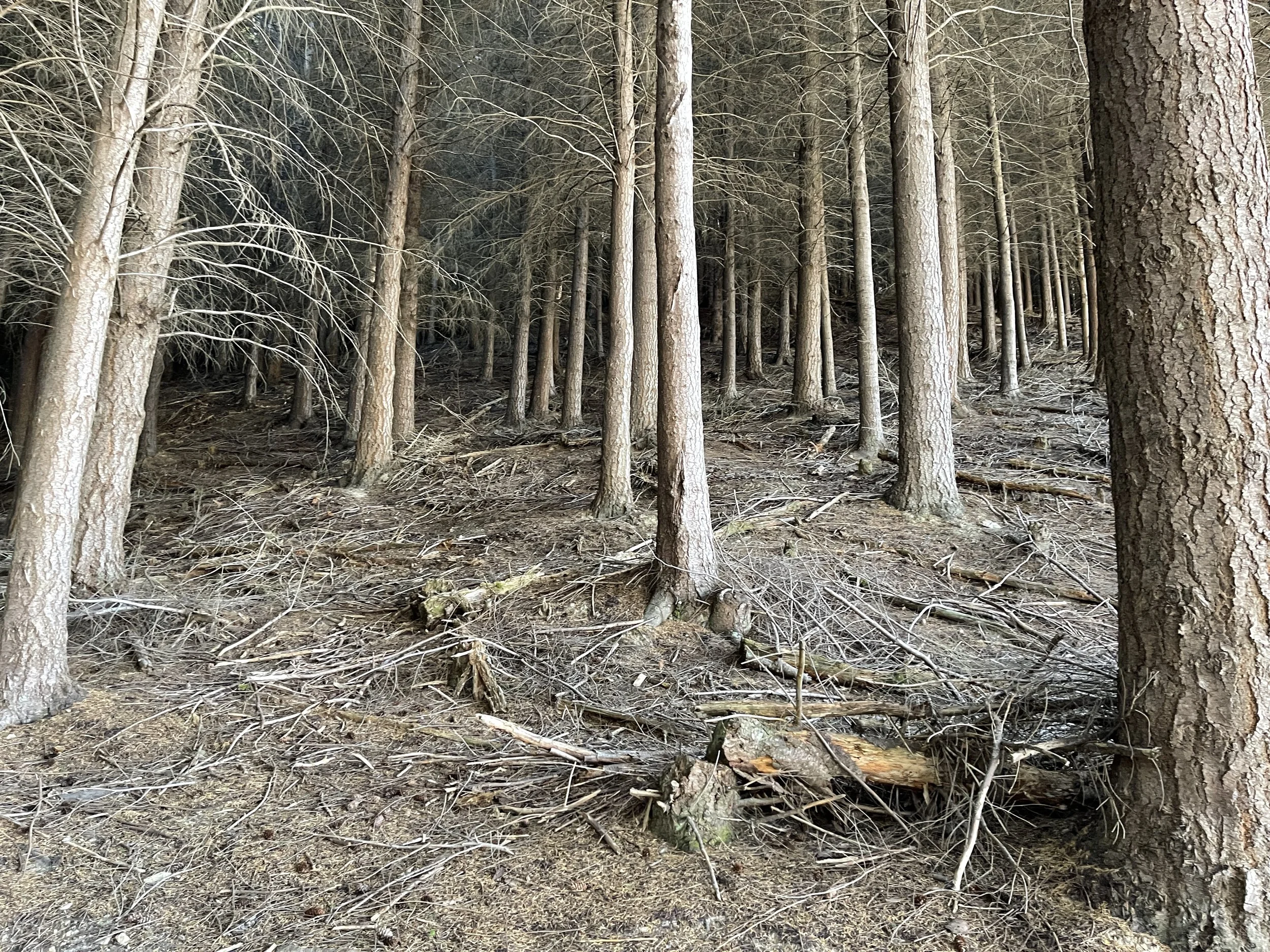
The lack of biodiversity found under dense Douglas fir stands around the hillsides above Queenstown
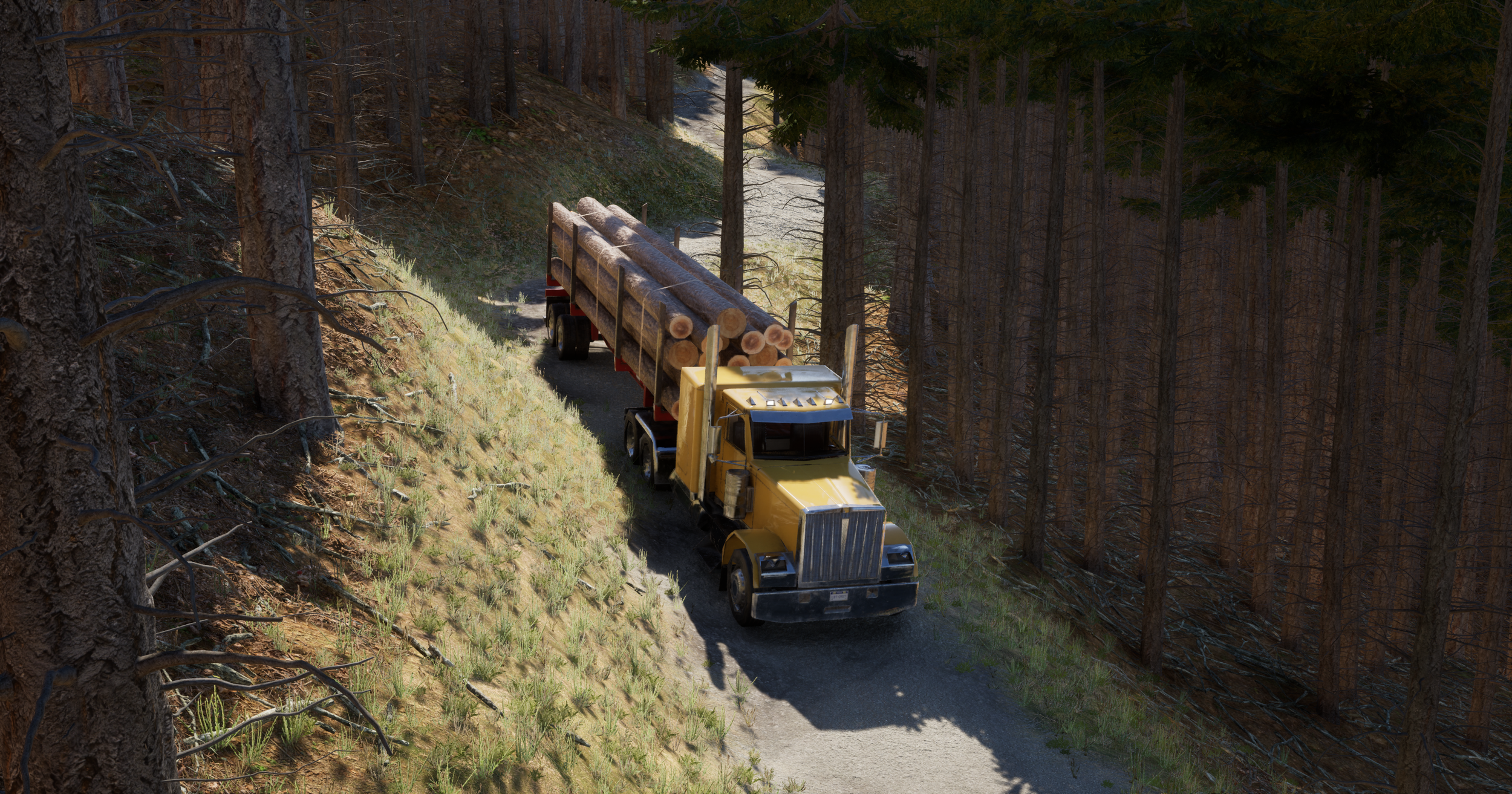
A digital reconstruction of Coronet forest during harvest
The digital reconstruction of the site incorporated a combination of different data sources to create a model of the future Coronet forest. Fortunately, there is over 90% coverage of the site with 1 metre accurate LiDAR, so terrain modelling is highly accurate for most of the site. The walking and biking trails have begun to be constructed, but there a wider range of trails incorporating uphill and downhill specific tracks planned. GPS locations of these trails were overlain onto the terrain model of the site to see how they would be incorporated into the landscape. Where tracks are planned, planting will be modified to provide more suitable corridors through the future forest. Overtop of the terrain, the specific native planting species from the planting plan were added into the landscape at the appropriate planting density. Over time some plantings, particularly of beech, will thin out as the most dominant tree shades out its neighbours, but this also allows more shade tolerant species, now missing, to become re-established on the site. The addition of these more sensitive plants to the forest could be achieved through additional planting once conditions are favourable, or spread from existing seed sources nearby.
As the Coronet Forest begins to mature over the next 100 years, biodiversity will begin to increase. A wider range of bird species will be able to find habitat and food, increasingly driving more species abundance. An increase in smaller forest and shrubland birds helps to then provide a greater food source for raptors, such as the New Zealand falcon/karearea (Falco novaeseelandiae) and the swamp harrier/kāhu (Circus approximans). Fungal diversity will explode as root systems expand and trees mature, with underground fungal networks linking the forest together in one big hyphal web. In hundreds of years, as the oldest trees begin to age and die, this can provide new habitats for species that once would have been found in these older forests but are now locally extinct, such as long-tailed bats/pekapeka (Chalinolobus tuberculatus).
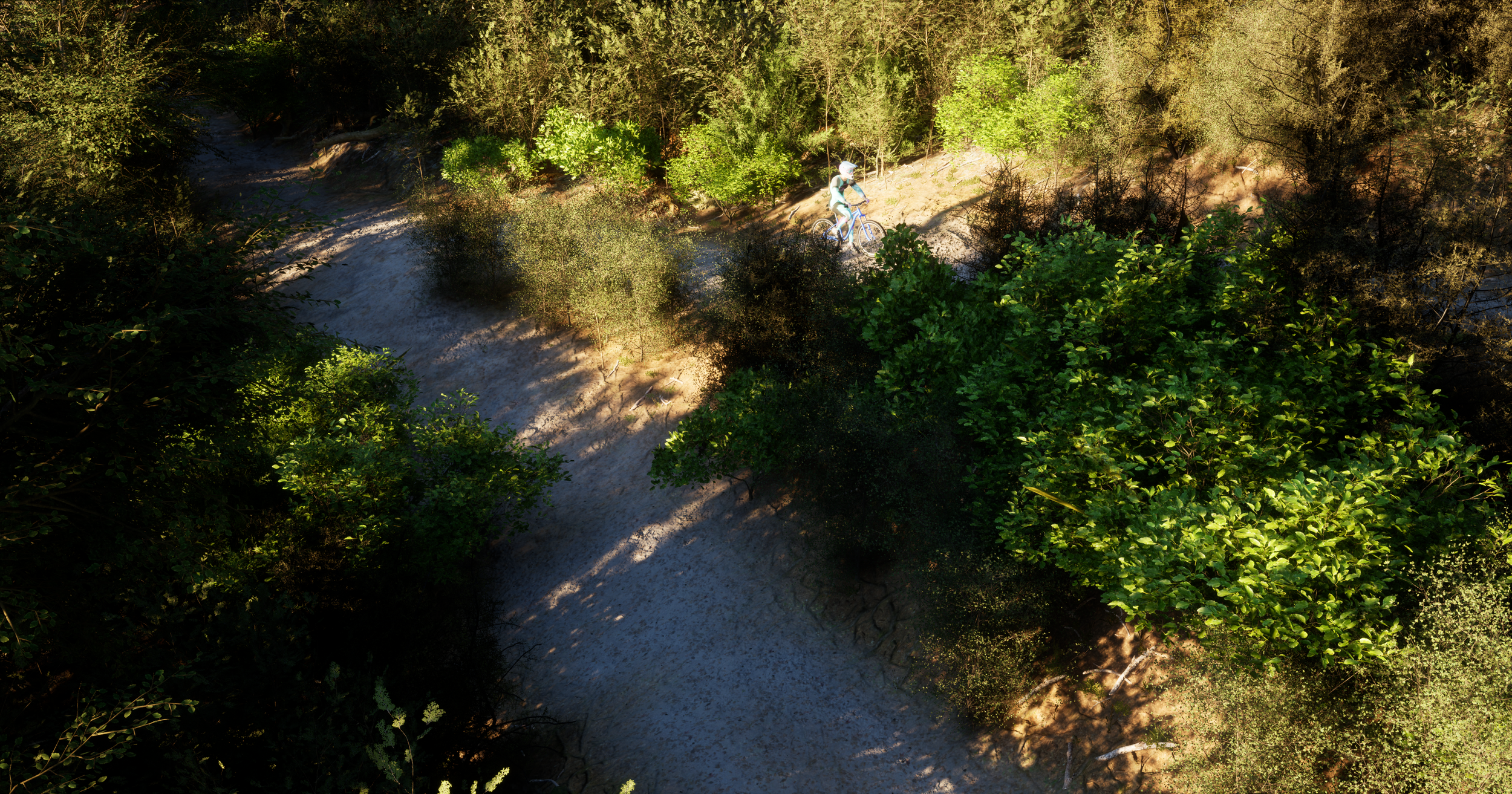
Reconstruction of one of the main bike and walking trails near the bottom of the site showing the mix of species diversity around the track edges with beech forest forming the core behind
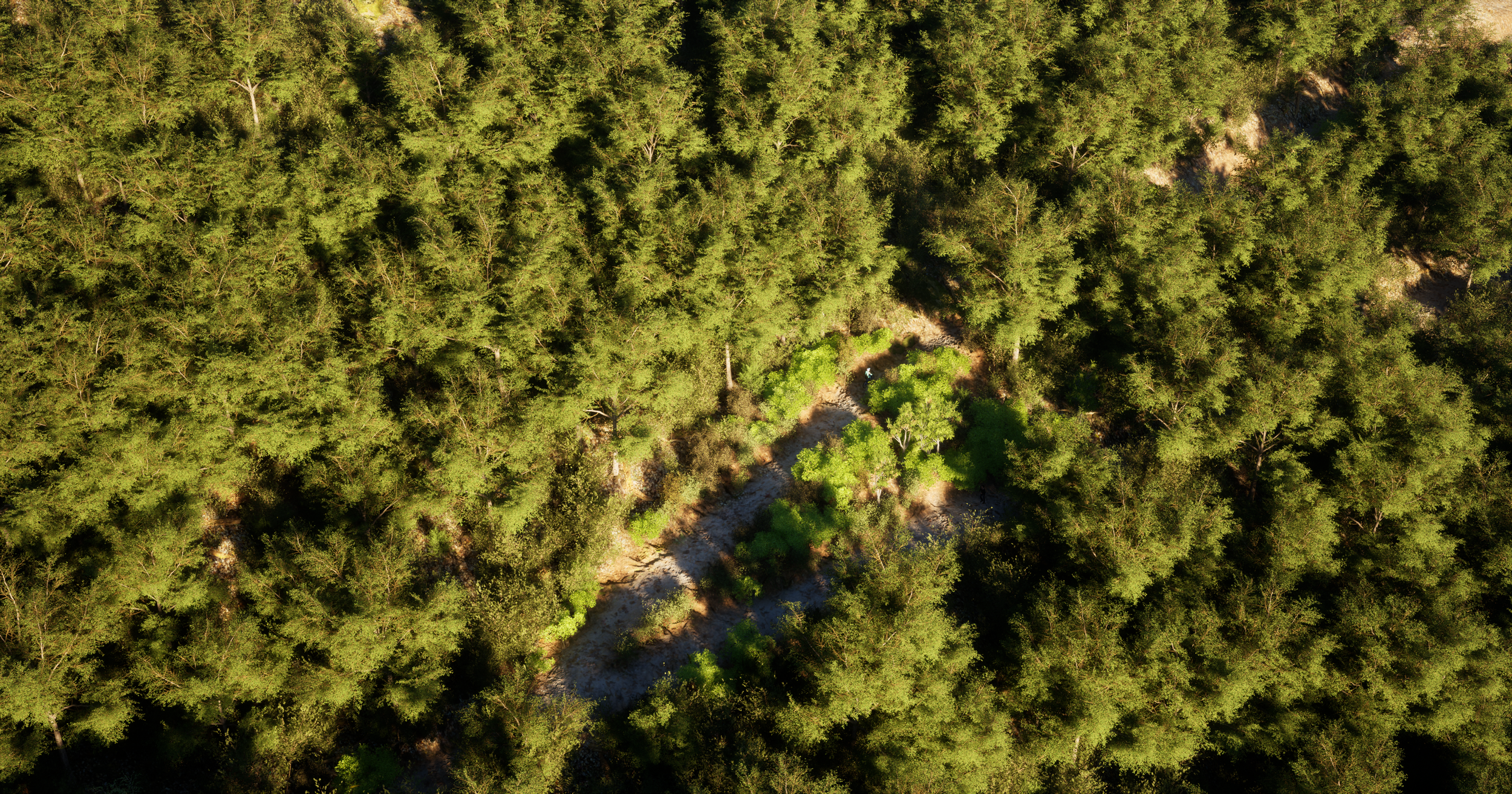
Aerial view of the restored Coronet forest after approximately 50 years, dominated by beech forest
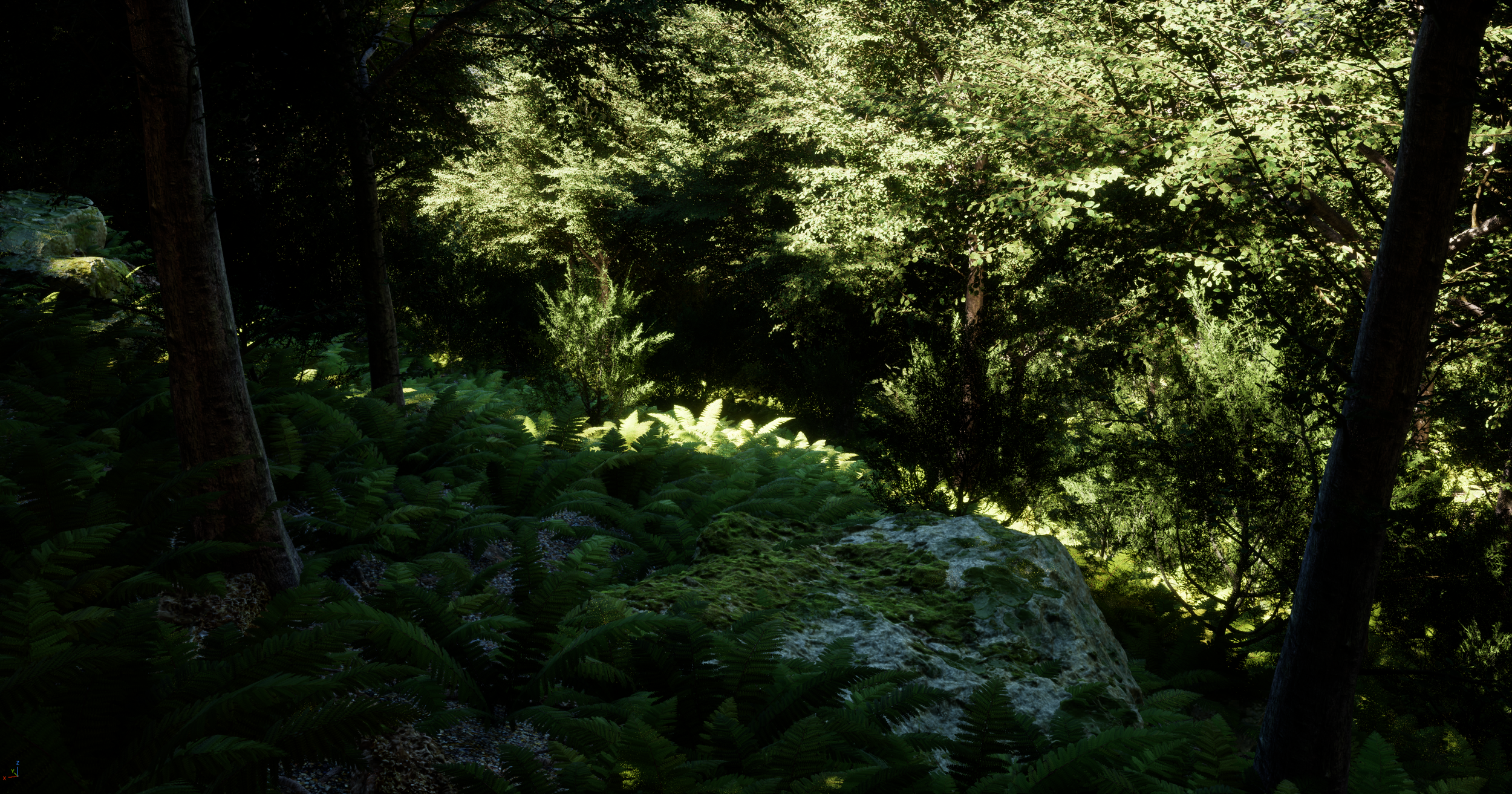
In contrast the Douglas fir forest above, the future beech forest might feel a little different
While many of us might not live long enough to see such a magnificent mature forest, over time the site will begin its transformation, and the next few generations will get to enjoy the full benefits of a healthy biodiverse forest. Perhaps the project will demonstrate that projects of this scale can be successfully undertaken to restore habitats that are completely degraded. Even now the project has incorporated lessons learnt from other forest restoration projects in the district and elsewhere in the country. In time, this might become the start of a transformational shift in how we view degraded landscapes that can become the future homes for a range of native species and allow locals and visitors alike to appreciate nature on the back door step.
Reconstruction of Coronet forest in approximately 50 years